
 EN
EN
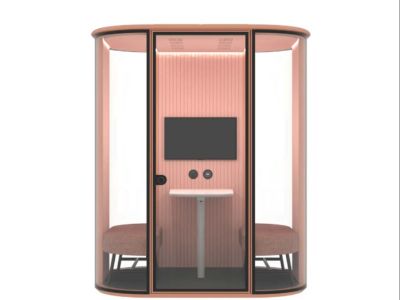
Acoustic materials used inside a home office booth play a crucial role in creating a productive and comfortable workspace. As more professionals opt for remote work, understanding the types and qualities of acoustic materials becomes essential for ensuring effective soundproofing and noise reduction. This article addresses common concerns for B2B buyers, such as material selection, cost evaluations, installation guidance, and potential issues with acoustic materials. By the end, readers will gain valuable insights to help them make informed purchasing decisions for their home office booth.
Choosing the Right Acoustic Materials for Home Office Booths
Selecting the appropriate acoustic materials for home office booths involves understanding the specific soundproofing requirements based on the intended use. Typically, effective acoustic materials include foam panels, soundproofing curtains, and acoustic ceiling tiles, each with distinct properties.
Foam Panels: These are lightweight, versatile, and can absorb high-frequency sounds, making them ideal for reducing echo. When choosing foam panels, consider their thickness and density; thicker panels generally provide better sound absorption. A common choice is melamine foam, which offers excellent acoustic performance without adding significant weight to the structure.
Soundproofing Curtains: These curtains are often lined with dense materials that help block sound. They are particularly useful for larger booths where sound absorption is a priority. Buyers should verify the weight and thickness of the fabric, as heavier materials will generally offer superior soundproofing capabilities.
Acoustic Ceiling Tiles: These tiles can significantly reduce sound transmission between rooms. Buyers should check the Noise Reduction Coefficient (NRC) ratings, which indicate how well a material absorbs sound. An NRC rating of 0.7 or above is typically considered effective for sound absorption.
Understanding the specific acoustic challenges of the work environment will guide buyers in selecting the right materials to create a peaceful and productive home outdoor office pod.
Evaluating the Cost Factors of Acoustic Materials for Wholesale Buyers
When assessing the cost of acoustic materials for home office booths, several factors come into play that can influence pricing. These include the type of material, thickness, and quantity required.
Material Type: Different acoustic materials come with varying costs based on their manufacturing processes and effectiveness. For instance, high-density foam panels may cost more than basic foam but offer superior soundproofing. Buyers should consider the long-term benefits of investing in higher-quality materials that provide better performance.
Thickness and Density: Generally, thicker and denser materials come at a higher price point. However, they also tend to deliver better sound insulation. Buyers should evaluate their specific needs against the cost implications of thicker materials.
Quantity and MOQ Considerations: Many suppliers have a minimum order quantity (MOQ) which can affect overall costs. Wholesale buyers should request quotes based on different quantities and negotiate prices accordingly. Understanding shipping and handling fees is also crucial, as these can add significant costs to the overall expenditure.
By thoroughly evaluating these cost factors, buyers can make informed decisions that align with their budget while ensuring they obtain effective acoustic solutions.
Installation Guidance for Acoustic Materials in Home Office Booths
Proper installation of acoustic materials is essential for achieving the desired soundproofing results. Here are key considerations for effective installation:
Surface Preparation: Before applying acoustic materials, ensure that the surfaces are clean and dry. This step is crucial for adhesives to bond effectively, especially for foam panels and acoustic tiles. Any moisture can compromise the installation and reduce performance.
Installation Techniques: Depending on the type of acoustic material, different installation methods may apply. Foam panels can be mounted using adhesive spray or double-sided tape, while soundproof curtains will typically require a curtain rod or track. For ceiling tiles, ensure that they are properly secured to prevent sagging, which can diminish their sound absorption capabilities.
Testing and Adjustment: After installation, conduct a sound test in the booth to identify any areas needing improvement. This may involve adjusting the positioning of panels or adding additional materials to maximize sound reduction.
By following these installation guidelines, buyers can ensure that their selected acoustic materials perform effectively, enhancing the functionality of their custom office pods.
Common Problems with Acoustic Materials and Effective Solutions
While acoustic materials are designed to improve sound quality, issues can arise that affect their performance. Here are some common problems and their solutions:
Poor Adhesion: One frequent issue is the failure of adhesive materials, leading to panels or tiles detaching over time. To mitigate this, choose high-quality adhesives specifically designed for acoustic materials and ensure proper surface preparation.
Insufficient Soundproofing: If the chosen materials do not provide the expected sound reduction, it may be due to inadequate thickness or density. Buyers should consider layering materials or switching to higher-density options to enhance soundproofing.
Wear and Tear: Over time, acoustic materials can degrade, especially in high-traffic areas. Regular inspections should be conducted to assess the condition of the materials. Replacing worn or damaged panels promptly will maintain soundproofing effectiveness.
By recognizing these common challenges and implementing effective solutions, buyers can ensure their home office booths remain functional and conducive to productivity.
Acoustic Material Applications in Home Offices
The application of acoustic materials in home offices extends beyond mere soundproofing; they can enhance overall workspace aesthetics and functionality. Here are some common applications:
Dedicated Workspaces: Acoustic materials can create quiet zones within larger home offices, allowing for focused work without distractions. This is particularly useful in shared living spaces.
Meeting Areas: For home offices that host virtual meetings or client calls, incorporating acoustic materials can significantly enhance sound clarity, making communication more effective.
Creative Studios: In environments where sound quality is paramount, such as recording studios or design spaces, specialized acoustic treatments can optimize sound reproduction and control echo, leading to higher quality outputs.
Understanding the various applications of acoustic materials helps buyers tailor their selections to meet specific functional and aesthetic needs, ultimately enhancing their home office experience.
By addressing these essential aspects of acoustic materials used inside home office booths, buyers can make informed decisions that prioritize both performance and practicality. Whether evaluating materials, managing costs, or ensuring proper installation, the insights provided will facilitate a more effective purchasing process.
Table of Contents
- Choosing the Right Acoustic Materials for Home Office Booths
- Evaluating the Cost Factors of Acoustic Materials for Wholesale Buyers
- Installation Guidance for Acoustic Materials in Home Office Booths
- Common Problems with Acoustic Materials and Effective Solutions
- Acoustic Material Applications in Home Offices