
 EN
EN
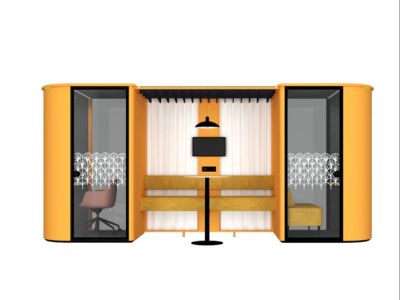
Flexible workspace solutions are increasingly popular as businesses adapt to changing work environments and employee needs. One such solution is a booth meeting room, which offers a soundproof space for collaboration and privacy. We will explore how a meeting room pods fits into a flexible workspace, addressing key concerns for B2B buyers such as quality, installation, costs, supplier reliability, and various applications. By understanding these aspects, purchasing managers, engineers, and other professionals can make informed decisions when considering the addition of soundproof pods to their workspaces.
Evaluating the Quality of Soundproof Booth Meeting Rooms
When assessing the quality of soundproof booth meeting rooms, several factors come into play. Firstly, the material used in construction significantly affects acoustic performance. High-density soundproofing materials, such as acoustic foam and mass-loaded vinyl, are effective at minimizing sound transmission. Buyers should also consider the meeting room booths design, as a well-sealed structure enhances sound isolation.
Another quality indicator is the booth's dimensions and layout. A space that is too small can feel claustrophobic and may not function well for team meetings, while a larger space might be necessary for collaborative work. Therefore, understanding the specific requirements for space and noise levels in your environment is crucial.
Furthermore, buyers should evaluate the manufacturer's quality control processes. A reputable manufacturer, like CYSPACE, typically employs stringent testing and inspection protocols to ensure consistency and durability in their products. Requesting information about these processes can provide valuable insights into the expected lifespan and performance of the booth meeting room.
Installation Guidance for Flexible Booth Meeting Rooms
Installing a booth meeting room requires careful planning and execution to ensure optimal functionality. Buyers should begin by assessing the intended location within the workspace. Considerations such as proximity to high-traffic areas and available electrical outlets can impact the effectiveness of the booth.
Once the location is determined, it’s essential to follow the manufacturer's installation guidelines closely. For instance, ensuring that the booth is level and securely anchored can prevent potential issues with stability or soundproofing performance. If the booth requires electrical connections for lighting or ventilation, it may be wise to involve a professional electrician to ensure compliance with local codes.
Furthermore, depending on the design, some booths may require additional soundproofing measures, such as sealing gaps or adding sound-absorbing panels. Buyers should consult with the manufacturer about any customization options that may enhance the booth's overall performance.
Cost Factors to Consider When Purchasing Meeting Pods
When budgeting for booth meeting rooms, several cost factors must be taken into account. The initial purchase price is just one component. Buyers should also consider installation costs, which can vary based on the complexity of the setup and any additional modifications required for the space.
Another important factor is ongoing maintenance. Soundproof booths should be inspected regularly for wear and tear, particularly in high-use environments. Buyers should inquire about warranty options and the availability of replacement parts, as these can impact long-term costs.
Moreover, buyers need to evaluate the potential return on investment (ROI) associated with the booth. For example, a well-implemented booth can improve employee productivity and satisfaction by providing a dedicated space for focused work and collaboration. Calculating these benefits against the total costs can help justify the investment.
Where to Find Reliable Suppliers for Booth Meeting Rooms?
Finding a reliable supplier for booth meeting rooms is crucial to ensure product quality and service. Start by researching manufacturers with a strong reputation in the industry. Look for companies that specialize in soundproof solutions, like CYSPACE, as they are likely to have the expertise needed for high-quality products.
It’s also beneficial to read customer reviews and case studies to gauge the experiences of other buyers. Engaging in industry forums or networking events can provide recommendations and insights into suppliers that meet your requirements.
Additionally, potential buyers should request samples or visit showrooms to evaluate product quality firsthand. This hands-on approach can help in understanding how the booth meets your specific needs and expectations.
Applications of Booth Meeting Rooms in Various Workspaces
Booth meeting rooms offer versatile applications across different workspace environments. In open-plan offices, they provide private areas for meetings, reducing distractions and noise. This is crucial in promoting effective communication and collaboration among teams.
In co-working spaces, booth meeting rooms serve as flexible solutions for freelancers and small businesses seeking privacy for client meetings or focused work. The meeting room booth can be easily relocated or reconfigured, adapting to the changing needs of users.
Furthermore, educational institutions and training centers can benefit from booth meeting rooms by providing students with quiet spaces for group work or individual study. The soundproofing capabilities ensure a conducive learning environment, free from external interruptions.
By understanding the specific applications of booth meeting rooms, buyers can tailor their purchases to fit their unique workplace dynamics and objectives.
In summary, considering a booth meeting room as part of a flexible workspace involves evaluating quality, installation processes, costs, supplier reliability, and diverse applications. By addressing these factors, purchasing managers and decision-makers can ensure they make a sound investment that enhances productivity and employee satisfaction.