
 EN
EN
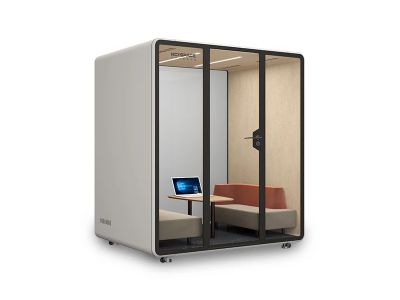
Phone booth pods for offices have become essential fixtures in modern work environments, providing private spaces for calls and focused work. As businesses increasingly prioritize employee well-being and productivity, these soundproof pods are in high demand. This article will address key concerns for B2B buyers, including specifications, size considerations, budgeting, and strategic placement to maximize workspace efficiency. By understanding these factors, purchasing managers, office planners, and facility managers can make informed decisions when integrating phone booth pods into their workspaces.
Understanding Phone Booth Pod Specifications for Office Environments
When evaluating phone booth pods for offices, it is crucial to understand their specifications. Key features include soundproofing materials, dimensions, and design elements.
Soundproofing Materials: High-quality pods typically utilize acoustic insulation materials like mineral wool or foam to effectively block outside noise. The sound transmission class (STC) rating is essential; higher ratings indicate better soundproofing. For example, an STC rating of 30-35 is common in office settings, ensuring privacy during calls.
Dimensions: Standard sizes range from 1.2 m² to 2.5 m², accommodating one to four users. It's important to consider the intended use; smaller pods may be suitable for quick calls, while larger ones can serve as meeting rooms.
Design Elements: Look for features such as ventilation systems, integrated lighting, and power outlets. Proper ventilation is often overlooked but is essential for user comfort during extended use.
This understanding allows buyers to tailor pod specifications to their specific office needs, ensuring an optimal work environment.
How to Choose the Right Phone Booth Pod Size for Your Workspace?
Choosing the right size for phone booth pods involves a balance between space availability and user requirements.
Assess Available Space: Before selecting a pod, measure the designated area in your office. Ensure there is adequate room for movement and that the pod does not obstruct pathways or create bottlenecks.
Consider User Needs: Consider the number of users and the type of activities that will occur within the pod. For instance, if the pod is primarily for individual use, a compact model may suffice. Conversely, if team discussions are expected, opt for a larger pod that accommodates multiple people comfortably.
Future Growth: Keep future needs in mind. If your company plans to grow, investing in a slightly larger pod might be beneficial to accommodate additional users down the line.
By carefully assessing these factors, businesses can select the most appropriate corporate phone booth size that aligns with both current and future workspace needs.
Key Considerations
Several key considerations should be addressed when purchasing phone booth pods for office environments:
Customization Options: Many manufacturers, including CYSPACE, offer customization options. Consider whether you need specific finishes, colors, or branding elements that match your office aesthetic.
Installation Requirements: Evaluate whether the pods require professional installation or if they can be easily assembled on-site. This can impact lead time and additional costs.
Maintenance and Durability: Investigate the materials used and their durability over time. Pods should withstand frequent use without wear. Manufacturers should provide maintenance guidelines to ensure longevity.
Quality Control: Understanding the quality control processes during manufacturing can help gauge the pod's reliability. Inquire about the testing procedures for soundproofing and structural integrity.
Addressing these considerations early in the purchasing process can prevent common mistakes and ensure the selected pods meet specific office requirements.
Budgeting for Your Purchase
Budgeting for phone booth pods extends beyond the initial purchase price. Consider the following factors:
Initial Cost: Compare prices among different suppliers, taking into account the specifications and features of each pod. Remember that higher initial costs may lead to better soundproofing and durability.
Shipping and Handling: Factor in shipping costs, which can vary based on the pod's size and destination. Ensure to confirm shipping timelines to align with your installation schedule.
Installation Costs: If professional installation is required, obtain quotes from service providers. This cost should be included in your overall budget.
Ongoing Maintenance: Consider potential maintenance costs. Some materials may require periodic treatments to maintain their acoustic properties, affecting long-term budgeting.
By understanding all financial aspects related to phone booth meeting room, businesses can allocate their budgets more effectively and avoid unexpected expenses.
Maximizing Workspace Efficiency with Strategic Pod Placement
The strategic placement of phone booth pods can significantly enhance workspace efficiency.
Noise Considerations: Position pods away from high-traffic areas, such as hallways or break rooms, to minimize external noise. This helps ensure that users can engage in calls or focused work without distractions.
Accessibility: Ensure that pods are easily accessible to all employees. They should be placed in locations that do not require excessive walking or navigating through crowded areas, which can discourage use.
Collaborative Zones: Consider placing pods near collaborative workspaces. This allows teams to quickly transition from group discussions to private calls or focused work, fostering productivity.
Feedback and Adjustments: After installation, gather employee feedback on pod location and usage. Be open to making adjustments based on user experiences to optimize efficiency further.
By thoughtfully considering pod placement, businesses can create a work environment that not only supports individual productivity but also encourages collaboration among employees. By focusing on the specifications, sizing, budgeting, and strategic placement of phone booth, businesses can ensure they make informed purchasing decisions that enhance their office environments. This comprehensive approach not only addresses employee needs but also contributes to a more efficient and productive workspace.